
Introduction
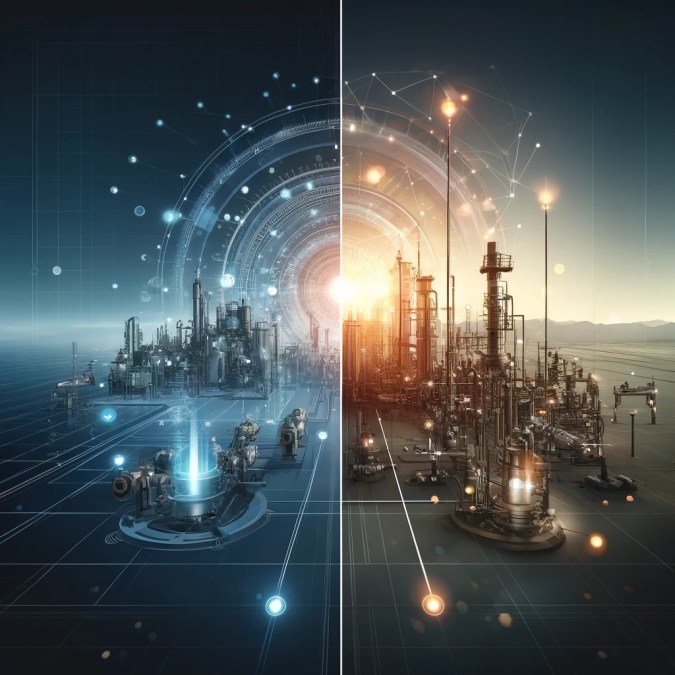
In an era dominated by digital transformation, the concept of digital twinning has emerged as a revolutionary method for managing real-world assets. Digital twins are virtual replicas of physical devices that data scientists and IT pros use to run simulations before actual devices are built and deployed. These twins are used in a variety of industries, including manufacturing, healthcare, automotive, and even military applications. This technology not only enhances the operation and maintenance of equipment but also significantly improves the processes of installation, inspection, and repair.
Understanding Digital Twins
Digital twin technology involves creating a digital replica of a physical asset. This replica is dynamic and updates continuously to reflect the real-time status of the physical counterpart. The assets can range from small components like valves and pumps to complex systems like aircraft and entire manufacturing plants.
Benefits of Digital Twin Technology
- Predictive Maintenance and Reduced Downtime
- Digital twins enable predictive maintenance by providing insights based on the real-time data collected from sensors on the physical asset. This helps in anticipating failures before they occur, significantly reducing downtime and maintenance costs.
- Improved Design and Innovation
- By simulating different scenarios, engineers can test how a product would perform under various conditions without the need to build multiple prototypes. This not only speeds up the innovation cycle but also enhances the final product’s reliability and efficiency.
- Enhanced Operational Efficiency
- With digital twins, organizations can streamline their operations. The technology provides detailed insights into each component’s performance, which helps in optimizing the processes and improving overall efficiency.
- Training and Safety
- Digital twins offer a safe environment for training purposes. Technicians can interact with the digital replica of the equipment to understand its operation without the risks associated with handling real machinery.
- Sustainability
- By optimizing the maintenance and operation of physical assets, digital twins contribute to energy savings and reduced environmental impact. This is crucial for industries aiming to meet sustainability goals.
Expected Improvements from Implementing Digital Twin Technology
- Increased Asset Life: By understanding the wear and tear through continuous monitoring, the life of machinery can be extended.
- Cost Efficiency: Reduced operational and maintenance costs by avoiding unnecessary inspections and minimizing unplanned outages.
- Quality Control: Consistent and enhanced quality of output by continuously monitoring systems and adjusting processes in real time.
- Decision Making: Faster and more effective decision-making through access to real-time data and analytics.
Conclusion
Digital twin technology stands as a cornerstone in the digitalization of industries. It not only supports the efficient operation of current assets but also aids in the design and development of future products. As industries continue to evolve, the adoption of digital twin technology will play a pivotal role in maintaining competitive advantage, ensuring operational efficiency, and driving innovation. For any organization involved in asset management, embracing digital twin technology is not just a strategic move—it’s an essential step toward future-proofing operations in a rapidly changing world.